The Guillotine
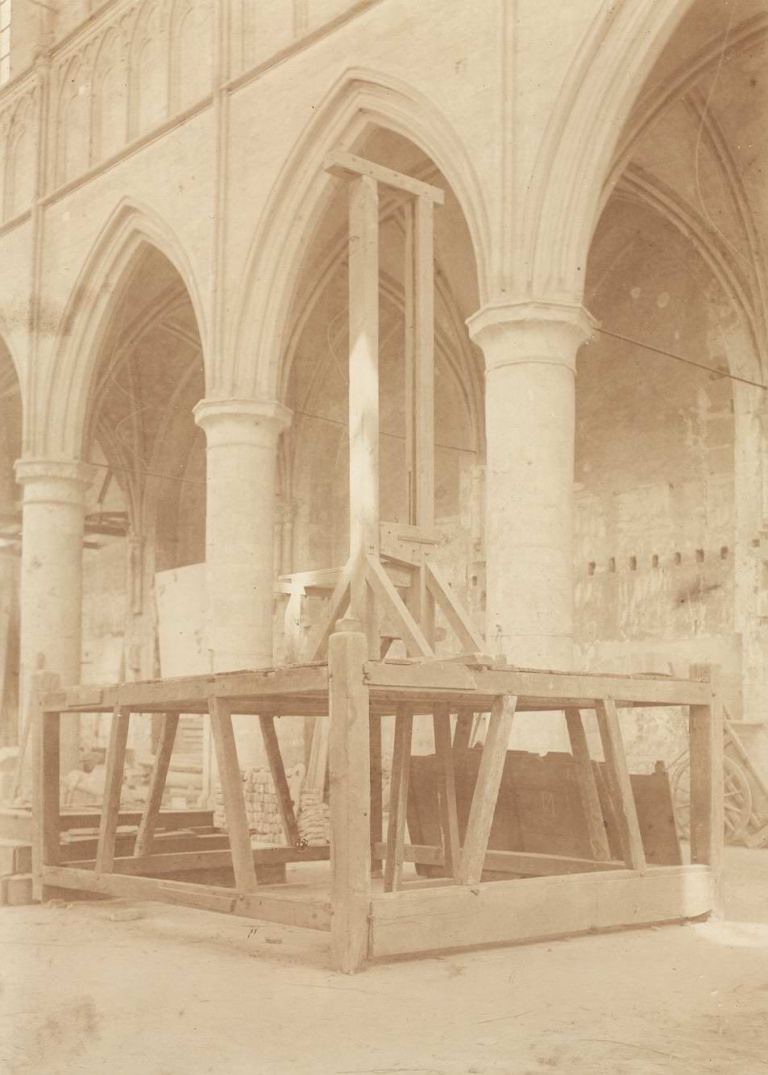
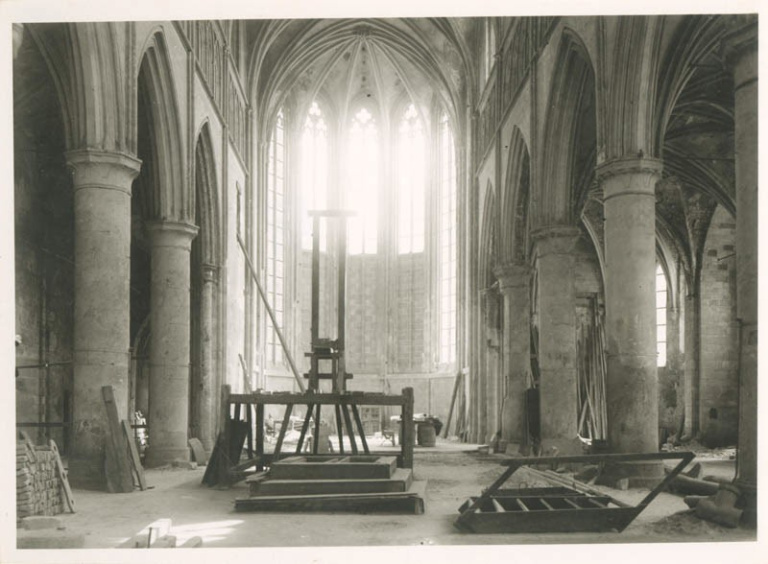
From 9 September 2025, something truly extraordinary will be on display at the Maastricht Museum: a genuine French guillotine from 1798. This unique loan has been made possible through a collaboration with the Cultural Heritage Agency of the Netherlands (RCE) and the Limburgs Museum in Venlo.
And yes, this guillotine really did stand in Maastricht—and it was actually used. It is therefore a tangible remnant of French rule, a period that began after the French Siege of 1794 and the city’s subsequent annexation by the French Republic. The arrival of the guillotine symbolises the radical nature of this occupation: new laws, systems of justice and methods of punishment became part of everyday life for the people of Maastricht. What represented justice and progress for some was, for others, a frightening sign of a harsh new order.
Hidden Stories of Maastricht
The arrival of the guillotine fits within our concept Hidden Stories of Maastricht, in which we reveal the layered and sometimes painful chapters of the city’s history. Maastricht was, in fact, the last Dutch city where an execution took place in peacetime. The story of the guillotine shows how law and power could take on very different meanings in different periods.
Now on display in Masterfully made
The guillotine is one of the highlights of the exhibition Masterfully made. This remarkable object shows how museum pieces can reveal the stories behind Maastricht's history.
Discover more